
Operational readiness
Company liquidation
The short answer
A UAE company is closed only when its licensing authority deregisters it. That follows a shareholder resolution, a liquidator's report where the authority requires one, cancellation of every visa under the licence, closure of the MOHRE and ICP files, bank closure and FTA tax deregistration. A lapsed licence completes none of these, so the fines, open visas and tax filing duties stay with the company and its owners.
Liquidation gets left until the business has stopped trading, when nobody wants the paperwork. The company still owes things after trading stops: a live tax registration, visas sponsored under its establishment file and a bank account, each with its own filings or fees.
Closure runs in a fixed order: resolution, liquidator's report, visa and labour file closure, bank closure, tax deregistration, then clearance. Not renewing the licence skips every step and usually costs more, because the fines, tax penalties and open visas it leaves behind must still be cleared later.
We coordinate each step and tell you early which ones a licensed liquidator, a lawyer or the authority must sign off themselves.
At a glance
- Indicative cost
- Priced within your setup plan: every component itemised.
- What's included
- Shareholder resolution drafting and filing coordination.
- Liquidator appointment coordination where the authority requires a liquidator's report.
- Visa cancellation for all staff and dependents attached to the licence.
This is for you if
- You have stopped trading, the company can pay what it owes, and you want it deregistered rather than left to expire.
- Your licence has already expired and you need to find out which fines, visas and tax registrations are still running against the company.
- Staff or dependants still hold residence visas under the licence, or the company still has a bank account or an FTA tax registration.
- You want proof of closure in hand before starting a new company or leaving the UAE.
This may not be the right route if
- You plan to stop paying renewal fees and expect the company to drop off the register with no fines, visas or tax duties left behind.
- A dispute with a shareholder, creditor or the authority is unresolved. That needs legal counsel before any closure filing.
- The company owes more than it can pay. Insolvency and restructuring are specialist legal processes, and we do not advise on them.
- You want to keep the licence dormant with no plan to close or renew it, which leaves its fees, visas and tax registration running.
At a glance
- Indicative cost
- Priced within your setup plan: every component itemised.
- What's included
- Shareholder resolution drafting and filing coordination.
- Liquidator appointment coordination where the authority requires a liquidator's report.
- Visa cancellation for all staff and dependents attached to the licence.
What this service includes
- Shareholder resolution drafting and filing coordination.
- Liquidator appointment coordination where the authority requires a liquidator's report.
- Visa cancellation for all staff and dependents attached to the licence.
- Labour and immigration file closure with MOHRE and ICP as applicable.
- Bank account closure coordination.
- Tax deregistration filing with the FTA and pursuit of clearance certificates.
What it does not include
- Insolvency proceedings or creditor negotiations, which require specialist legal counsel.
- Settling outstanding debts or disputes on your behalf.
- A guaranteed timeline. Clearance depends on each authority's own processing.
- Liquidator sign-off itself, which must come from a licensed liquidator where required.
Process
How the work is sequenced
Each stage has its own dependencies (activity approvals, document legalisation, authority processing, and bank review), and we report progress against them rather than against one overall date.
- 01
Closure assessment
Outstanding visas, accounts, and registrations mapped before anything is filed.
- 02
Shareholder resolution
Resolution to liquidate passed and lodged with the authority.
- 03
Liquidator's report
Obtained where required, confirming no outstanding liabilities.
Prefer to start in writing? Send the details through the contact form.
Start with a structure assessment
In an initial consultation you receive a plain-language decision summary, a document-preparation list, and the next actions for your situation. Current figures are confirmed within your adviser-reviewed route comparison.
Decision factors
What actually decides your route
An adviser works through these factors with you before any structure is recommended. Each one can change the licence, the emirate or free zone, the visa allocation, and the banking conversation.
Proper liquidation vs letting a licence lapse.
Shareholder resolution
- Proper liquidation
- Formally passed and filed with the authority
- Non-renewal / lapsing
- Never executed
Liquidator's report
- Proper liquidation
- Obtained where the authority requires one
- Non-renewal / lapsing
- Never obtained
Visas
- Proper liquidation
- Formally cancelled before company closure
- Non-renewal / lapsing
- Left open, generating fines and immigration issues
Labour and immigration file
- Proper liquidation
- Closed with MOHRE/ICP as applicable
- Non-renewal / lapsing
- Remains open against the company
Bank account
- Proper liquidation
- Formally closed with the bank
- Non-renewal / lapsing
- Dormant account can still attract fees and compliance flags
Tax deregistration
- Proper liquidation
- Filed with the FTA for VAT and corporate tax
- Non-renewal / lapsing
- Filing obligations and penalties continue to accrue
Clearance certificate
- Proper liquidation
- Issued once all of the above is confirmed
- Non-renewal / lapsing
- Never issued, leaving an unresolved record
| Step | Proper liquidation | Non-renewal / lapsing |
|---|---|---|
| Shareholder resolution | Formally passed and filed with the authority | Never executed |
| Liquidator's report | Obtained where the authority requires one | Never obtained |
| Visas | Formally cancelled before company closure | Left open, generating fines and immigration issues |
| Labour and immigration file | Closed with MOHRE/ICP as applicable | Remains open against the company |
| Bank account | Formally closed with the bank | Dormant account can still attract fees and compliance flags |
| Tax deregistration | Filed with the FTA for VAT and corporate tax | Filing obligations and penalties continue to accrue |
| Clearance certificate | Issued once all of the above is confirmed | Never issued, leaving an unresolved record |
Possible directions
Structure categories an adviser will assess
These are topics for assessment, not recommendations. The right answer depends on your activity, customers, ownership, team, workspace needs, and regulator or bank requirements.
Voluntary liquidation
Shareholders resolve to close a solvent company that has settled its obligations.
Liquidator-managed closure
Used where the authority requires an appointed liquidator's report before deregistration.
Branch or representative office closure
Closing the UAE branch or representative office of a foreign company. The parent company decides, and the UAE licensing authority cancels the registration.
Dormant-to-closed conversion
For a company that has stopped trading but still holds a licence, visas or a tax number: closing it formally instead of letting it expire.
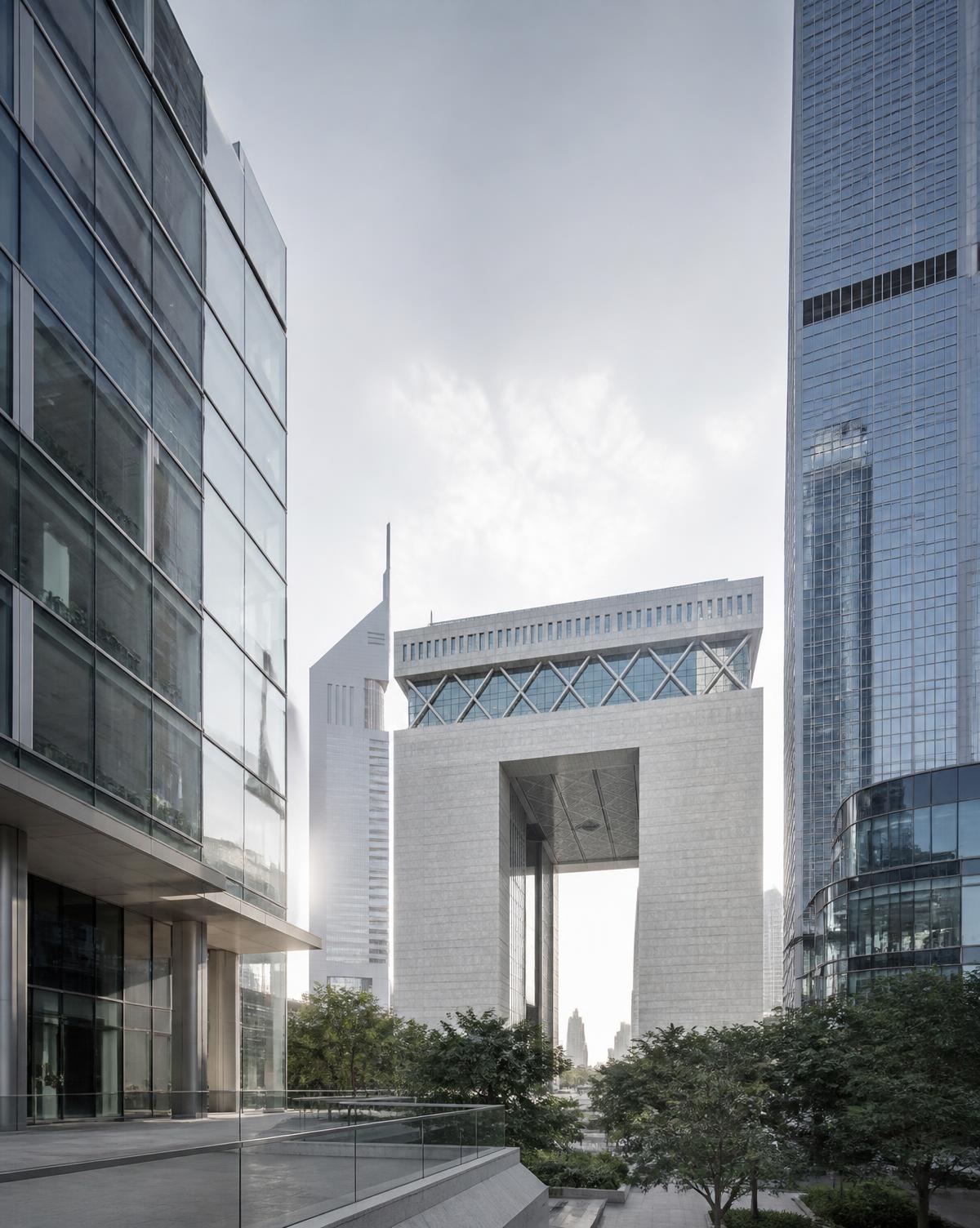
Every route is planned against how the business will actually operate in the UAE.
Next decision
Related reading
Questions
Frequently asked
- Can I just let my UAE licence lapse instead of liquidating?
- You can, but an expired licence does not deregister the company. Its visas stay open, its FTA tax registration stays live with filing duties, and its fines keep building. All of that must be cleared before the company can be closed properly later.
- Do all UAE companies need a liquidator's report?
- Not always. It depends on the licensing authority and licence type. We ask yours before filing whether an appointed liquidator's report is needed before deregistration.
- What happens to my visa when the company closes?
- Each residence visa under the licence must be formally cancelled, including dependants sponsored through it. A visa left open after the company stops operating creates immigration fines and exposure for the holder.
- How long does UAE company liquidation take?
- It depends on the authority, whether a liquidator's report is required, and how quickly bank and tax deregistration are processed. We do not promise a fixed timeline because each step depends on a different authority.
- Do I need to close the bank account separately from the licence?
- Yes. Bank account closure is a separate process with the bank itself and should be completed as part of the overall closure, not left open after the licence is deregistered.
Sources
- UAE Government portal: closing a business
- Federal Tax Authority: tax deregistrationArabic original
- MOHRE: labour file and establishment closure
- ICP: visa cancellationArabic original
Regulations, fees, and eligibility can change. Every regulatory statement is re-checked before publication and dated above.
Legal notes and scope
Velarozone provides setup and operational-readiness coordination. This page is general information, not legal, tax, immigration, or banking advice.
General information drawn from the CBUAE Rulebook, including the Retail Payment Services and Card Schemes Regulation (C 15/2021), and Cabinet Resolution No. (134) of 2025 as published, not legal or tax advice. Rules and guidance change, so confirm the current text and each institution's own requirements before you submit.
We prepare and coordinate corporate bank-account applications. We do not open accounts and cannot guarantee approval, a particular bank, or a timeline. Each bank applies its own KYC, AML, and risk assessment.
UAE corporate tax and VAT deregistration depend on your specific facts, including whether returns and liabilities are up to date. Home-country obligations may also apply. We coordinate with your tax adviser and do not give a tax opinion.