Guide
How to Set Up a Food Import and Distribution Company in the UAE
The short answer
Food import is decided shipment by shipment, not by the company licence. Customs authorities and the food-safety authority of the emirate where the goods land decide whether a container is released, and each product can carry its own registration, label approval and certificate file. A trade licence with a food-trading activity is only the entity those approvals attach to. The one thing that most often decides the route is who will be importer of record, because that company answers for every carton at the port, in the warehouse and after a complaint.
Who answers for the container
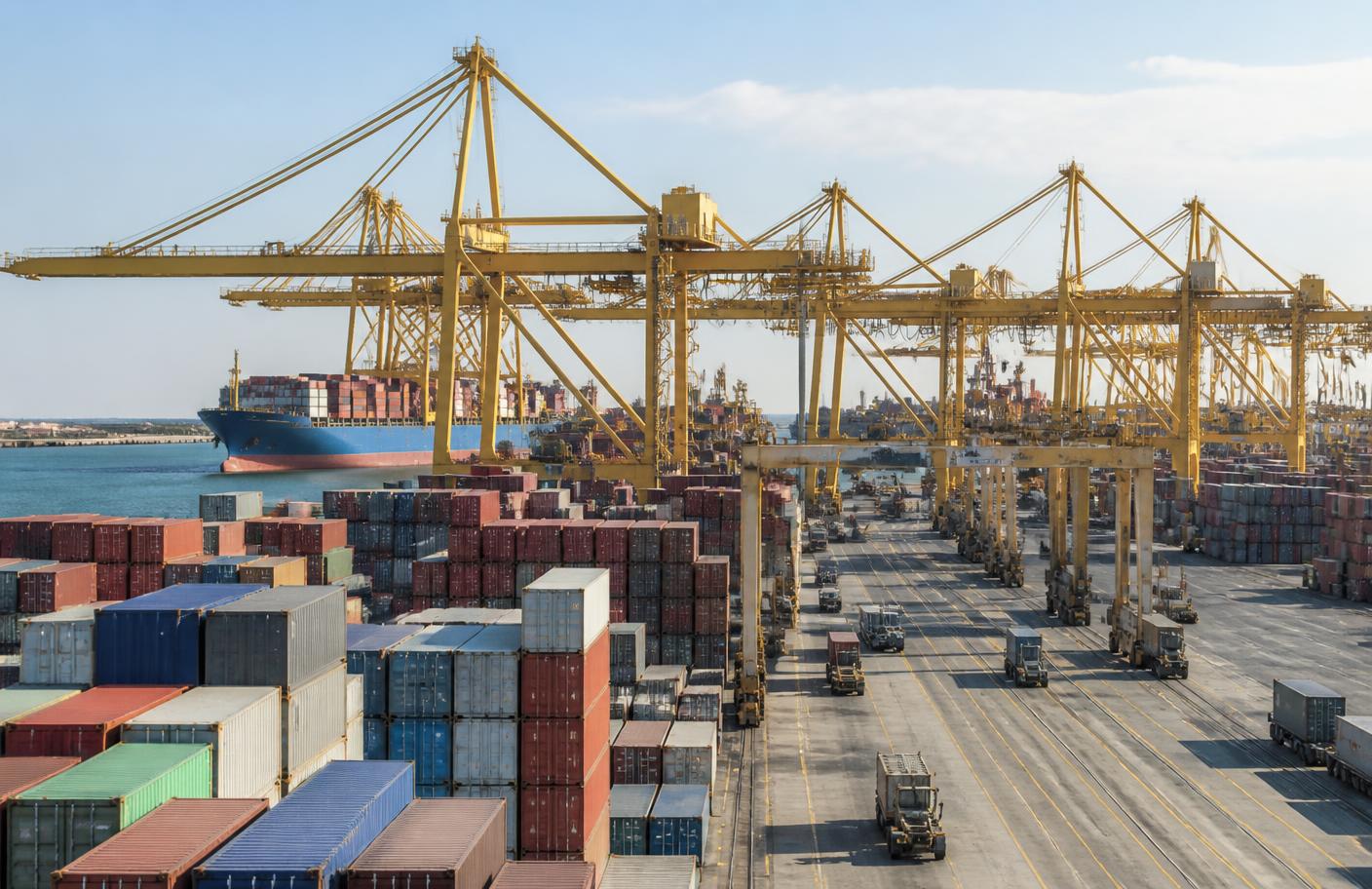
Several bodies touch a food shipment. Customs releases or holds the goods. The food authority of the emirate decides whether the product and the importing establishment are acceptable. The Federal Authority for Identity, Citizenship, Customs and Port Security carries customs and port security in its name, which shows that border control sits partly at federal level, alongside the emirate customs departments.
In Dubai that means Dubai Customs for clearance and Dubai Municipality for food safety. Elsewhere the names differ and the office you deal with changes. Pick the landing point before you pick the licensing authority, because the port and the warehouse emirate decide which office reads your file.
Dubai Municipality runs its food permits through the FoodWatch platform, where only the primary Person in Charge or a Technical Expert linked to the food entity can apply. Its Dubai Central Laboratory tests food samples, so expect a product to be sampled as well as documented.
Why the product file outranks the licence
The entity is a shell. Each item you import is judged on its own: what it is, where it comes from, how it is labelled and how it will be kept. A company with a perfectly good trading activity can still be unable to clear one container if the goods behind it are unregistered, wrongly labelled or stored in the wrong temperature class.
So start with a product list, not a licence brochure. For each line, write down:
- the product category and the country of origin;
- the supplier and the certificates that travel with each shipment;
- the label artwork and every claim printed on it;
- dry, chilled or frozen storage, and who will provide it.
In Dubai, the Municipality's temporary permit for label or package changes asks for a FoodWatch-registered entity, a licensed warehouse in Dubai, the item registered in FIRS and an approved food label assessment. Confirm the current rules for each category with the food authority before you order commercial quantities. We do not state a fee or processing time here, because the authority sets and revises them.
Importer of record and the group around it
Four models come up repeatedly: an importer and wholesale distributor, a brand owner appointing a UAE importer, a foodservice distributor, and a re-export trader using UAE logistics. Mixed plans are common, and they split the importer-of-record question. One entity may import for the domestic market while another moves bonded stock for re-export, with a brand principal above both.
Each split changes who holds the registrations, who signs the cold-chain contract and who leads a recall. Do not treat the freight forwarder as importer by default. A forwarder moves goods, but the company named on the declaration carries the duty to the authority.
The entity that presents the goods should be the one with the warehouse arrangements and the recall duty. A brand company or overseas principal can sit elsewhere in the group with a real role. Splitting import responsibility from product responsibility to save on setup tends to surface later as customs queries, insurance gaps and bank questions. Compare setting up a mainland company against free-zone routes only after this is settled, and remember that a trade licence is never permission to land, store and sell food.
Customs, bonded stock and re-export
Dubai Customs runs digital declaration services, including an app called iDeclare, and publishes a customs information section on its site. Your clearing agent will normally file through these channels, but the declarant, the consignee and the importer of record must line up with the licensed entity.
Re-export changes the picture. Stock held for re-export can sit in a different place, under different controls, from stock sold locally. Keep the two flows separate on paper from the first order, with distinct batches, distinct storage records and a clear statement of which entity owns each. Confirm the current customs procedure for transit and re-export with Dubai Customs, or the customs department of the emirate you use, before you commit to a model.
Storage, cold chain and recall readiness
For a portfolio with chilled or frozen lines, storage is the dominant operating cost and the most common point of failure. In Dubai, food transport vehicles need an annual permit that shows whether the vehicle suits chilled, frozen or dry food, so ask any transporter for it. Ask any warehouse for evidence of temperature monitoring and for the authority approval covering the product class you intend to store there.
Traceability needs to work at batch level. If a supplier recalls a lot, you must be able to say which customers received which cartons, and to say it quickly. Name one person who owns that procedure and test it before the first shipment arrives. The same person should own label and certificate accuracy, since an error there holds up every later container.
Hiring is part of the cost. A food importer needs procurement, quality and warehouse supervision in place, and the people behind those roles need residence permits, which follow from the licence and the establishment card.
What a bank or supplier asks of a food importer
A bank or large supplier is really underwriting the custody chain. They want to see that registered products, valid certificates and suitable storage sit behind every invoice. Prepare these before onboarding starts:
- the product and ingredient portfolio;
- the supplier and certificate pack;
- label artwork and claims;
- the warehouse and transport plan;
- the traceability and recall procedure.
What earns fewer questions is coherence. The same products, suppliers, temperature classes and customers should appear in the contracts, the financial model and the bank file. Our work on corporate bank account readiness starts from exactly that match. It shortens diligence. It does not guarantee an account, credit terms or an approval.
What goes wrong in this trade
- Ordering commercial quantities before labels are reviewed.
- Using a warehouse that does not suit the product class.
- Letting the freight forwarder become importer by default.
- Losing batch-level traceability between receipt and sale.
- Choosing a setup by incorporation price while the product file, registrations and chilled capacity stay unresolved.
The last one costs most. A route that saves on formation but leaves those items open is paid for in demurrage, destroyed stock and lost listings. On cost, the licence is a small line next to registrations and storage, and what you pay depends on the route chosen. Velarozone's own fee is itemised in the engagement letter, and how Velarozone works explains the sequence.