Skip to content

Guide

Can You Establish a Brewery, Winery or Distillery in the UAE?

The short answer

Alcohol manufacturing is a project-feasibility question before it is a company-formation question. A proposal must be tested against emirate policy, industrial and premises rules, production process, controlled inputs, product and excise treatment, storage, environmental controls and the permitted route to market.

The right first step is a written feasibility test, answered before a single dirham of project spend: would the intended emirate entertain this production process at any location, and through which route could the output lawfully reach a customer? Company formation, equipment and premises all wait behind that answer β€” because if policy says no, no structure rescues the project. For those considering alcohol-related ventures, understanding the personal vs commercial liquor UAE is crucial.

Why the operating model comes before the jurisdiction

Manufacturing is where the emirate question becomes existential rather than procedural. For service or trading models the emirate shapes the route; for production it decides whether a route exists β€” whether that emirate will countenance this process, at this strength, on any site, feeding which permitted market. And whatever position one emirate takes binds only itself.

An entity is therefore the last thing to buy, not the first. No activity description ferments, distils or stores a controlled product; the plant, the inputs and the output each carry their own approvals, and all of them stand behind the policy answer. The useful question is not what the company should be called. It is whether the project clears policy β€” and if it does, which of its stages need which industrial, product and distribution permissions, such as those required to start alcohol distribution company UAE.

Start by choosing which of these models most closely describes the plan:

  1. Full production from fermentation or distillation
  2. Blending, bottling or packaging operation
  3. Contract manufacturing under a brand
  4. Research, product development or alcohol-free production

If more than one applies, the split follows the feasibility gradient: the models differ sharply in how hard their policy question is, so a group may pair an easier operation β€” packaging, development, alcohol-free lines β€” with the harder production ambition held separately, letting one proceed while the other is still being tested. One entity carrying both simply chains the feasible business to the unproven one.

Where ordinary company formation may stop

Every one of these must be tested before a jurisdiction or activity is selected β€” and the first decides whether the rest matter:

  • Policy and location eligibility for alcohol manufacturing
  • Industrial, building, safety and environmental approval
  • Controlled inputs, production and secure storage
  • Product registration, labelling and excise
  • Wholesale, export and domestic distribution rights

The list is a sequence, not a menu: an industrial approval means nothing at a site policy excludes, and a registered product means nothing without a distribution right behind it. Nor does vocabulary soften the test β€” describing distillation as beverage processing or craft production does not change what the process is or which approvals it needs, such as those for a licensed liquor retail store.

The perimeter position for a producer is a feasibility dossier: the process and strength proposed, the emirates and site types tested, the policy answer obtained and from whom, the input and output controls that would apply, and the market route the product would be permitted to take. Investors and banks will not fund past the first unanswered line of it.

Structure decisions that change the answer

Feasibility findings drive the structure, so resolve these variables before comparing setting up a mainland company, free-zone and financial-centre routes:

  • Production process and alcohol content
  • Greenfield facility versus contract manufacturing
  • Domestic market versus export
  • Brand owner, manufacturer and distributor roles
  • By-products, waste, safety and insurance

The producing entity must be the one capable of holding the industrial, premises and product approvals the plant requires, with brand, distribution or export roles placed where they genuinely operate. Building the structure around a formation quote inverts the logic of this sector: here the entity is the cheap certainty, and the approvals it must carry are the scarce thing the structure exists to hold.

Cost and timeline: use layers, not one headline number

No headline number survives contact with a production project, and in this sector the first layer of spend should be the feasibility work itself. Budget in five layers:

  1. Entity formation: registration, constitutional documents, activity selection, immigration record supporting future hires, workspace and immigration capacity β€” deferred until feasibility supports it, and minor when it comes.
  2. Feasibility and project approvals: the policy and location determination, then industrial, building, safety, environmental, product and excise permissions, each with adviser and testing work attached.
  3. Plant and production infrastructure: the site, production and bottling equipment, secure and compliant storage for inputs and output, utilities and insurance β€” the dominant layer once a project is approved to proceed.
  4. People and governance: production and quality leadership, safety and compliance officers, operators cleared for controlled inputs, and the visas behind an industrial workforce.
  5. Recurring obligations: industrial and premises renewals, excise accounting on everything produced, custody records for controlled inputs and finished stock, environmental and safety reporting, audits and tax filings.

The timeline has one gate that outranks all others: the policy answer. Until it exists, nothing else has a date; after it, the project runs on industrial time β€” site approval, build, commissioning, product registration, distribution rights β€” with entity formation a footnote somewhere early. Any schedule that starts with equipment on the water has been read backwards.

Banking, investor and commercial readiness

For a production project, banks and investors underwrite the feasibility file before the business plan: evidence the policy question was asked and answered, not assumed. Prepare the following before onboarding begins:

  • Technical process and capacity plan
  • Site and utility requirements
  • Product and raw-material list
  • Excise and route-to-market model
  • Experienced manufacturing and compliance team

The file must show a project that knows its own gate: the policy position first, then the approvals mapped behind it, then capital phased so nothing irreversible is spent ahead of an unanswered question. That discipline is what serious money looks for. It guarantees neither funding nor an account nor any approval.

Questions to answer before paying for setup

  1. What process and alcohol strength are proposed?
  2. Where could the facility lawfully operate?
  3. Who owns the brand and manufactured stock?
  4. How will products reach approved customers?
  5. What industrial and excise systems are needed?

The second question is the project’s hinge, and it cannot be answered from a desk: record who will put it to the relevant emirate and when. Every other assumption should be logged behind it, because a plan built on an unverified site answer is a plan built on nothing.

Common mistakes

  • Buying equipment before policy feasibility is confirmed
  • Using a general beverage-manufacturing activity
  • Ignoring secure storage and excise controls
  • Assuming production approval includes domestic distribution

The expensive mistake in manufacturing is capital spent ahead of the policy answer: tanks ordered, a site leased, a team hired for a process the emirate was never going to host. Unlike most sector errors this one has no repair path β€” only resale, relocation or write-off β€” which is why the feasibility test comes before every purchase.

What Velarozone assesses

Velarozone’s adviser-led assessment turns a production ambition into a feasibility verdict and, where supported, a setup decision. Depending on the facts, the written plan can cover:

  • Whether and where the proposed process has a realistic policy path, and the model variants that improve it.
  • The full approval stack a feasible project would face, from industrial and environmental to product and excise.
  • The site, input, storage and route-to-market dependencies that gate any production date.
  • Cost layers phased so that feasibility is bought before plant, and plant before launch.
  • Documents, open questions and assumptions requiring specialist confirmation.
  • A filing sequence that begins only after the client understands and approves the route.

The final authority shortlist, exact activity selection, current material costs and filing path are confirmed against the live facts. They are decision outputs, not website claims.

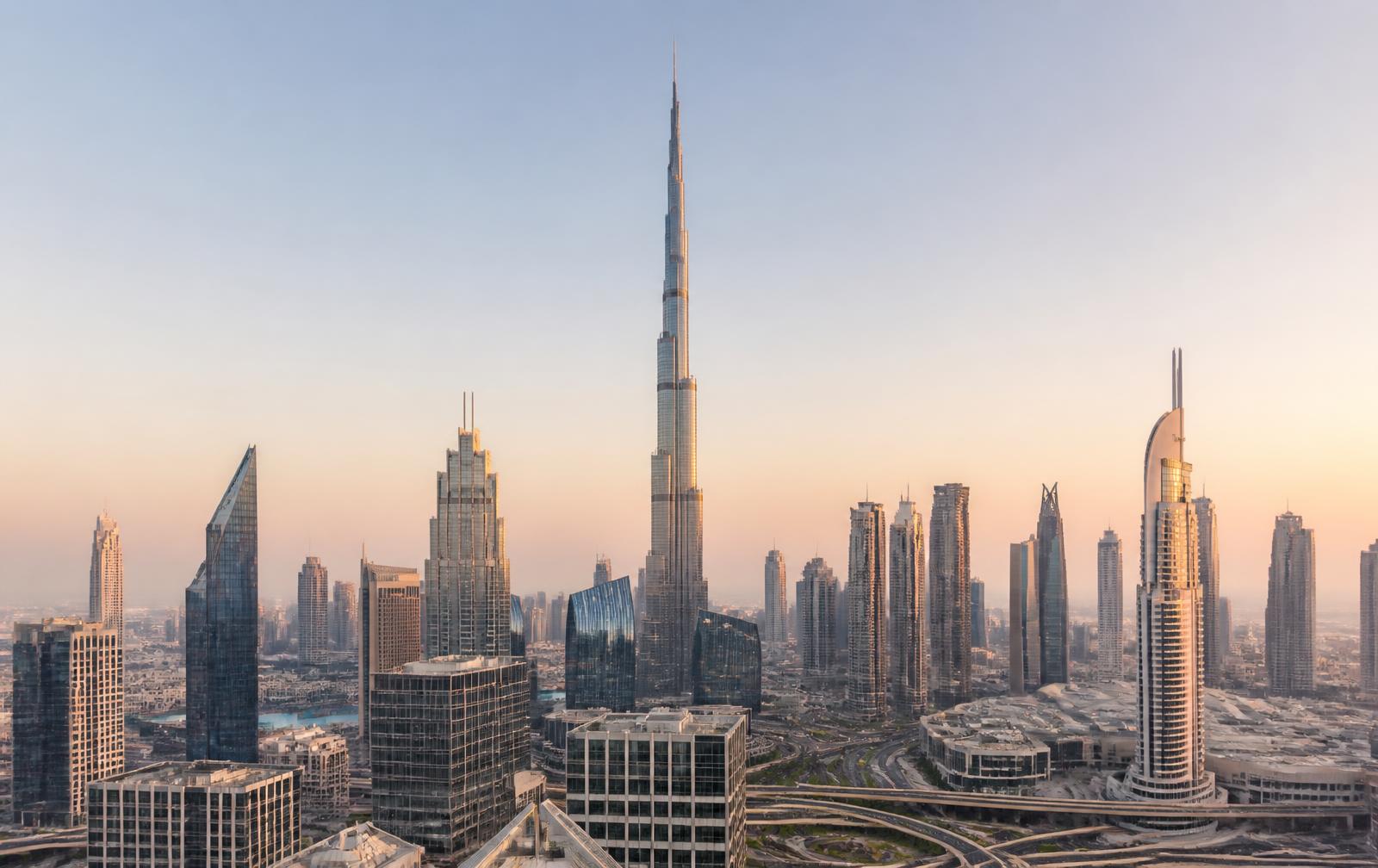
Downtown Dubai skyline with the Burj Khalifa at golden hour

General guidance here; the detail that matters depends on your activity and markets.

Questions

Frequently asked

Can this business be set up in a UAE free zone?
Zone marketing is silent on the only question that matters here: whether any authority will host the production process at all. Industrial zones may be candidates for a feasible project, and export-oriented models change the calculus β€” but the policy and premises determination comes first, and no zone licence pre-empts it.
Does this business definitely need regulatory authorisation?
Production sits behind more gates than any other model in this sector, and the first is policy and location eligibility for alcohol manufacturing β€” a threshold question, not a filing. Only the fourth model’s alcohol-free or research variants may face a lighter stack, and even that is a formulation-and-facts determination, not a naming one.
Can the company be formed remotely?
The entity is the least of it either way. Feasibility soundings, site assessments, industrial inspections, commissioning and the controlled-input arrangements are physical, local and sequential. A production project is the last business in this sector to be attempted from abroad β€” presence is part of the case for approval.
How much will it cost?
Phase the answer: a modest feasibility budget first, and only if it clears does the real spend β€” site, plant, secure storage, excise systems β€” become worth estimating in earnest. Ask for a layered estimate separating payable fees from capital, deposits, operational spend and adviser fees, and recheck all third-party amounts immediately before filing.
How long will the setup take?
There is no timeline until the policy answer exists; after it, the project runs on industrial and authority clocks β€” site, build, commissioning, product and distribution approvals β€” that dwarf formation. Work from a staged timeline with dependencies and assumptions, not a guaranteed number of days. No adviser can guarantee licensing, visa or bank approval.

Get your UAE setup plan

Velarozone answers the policy-feasibility question first and phases every structural and capital step behind it, before anything is filed.

Apply this to your own situation

Guides describe the general position. Send us your facts and an adviser will tell you which parts actually apply to you.

Free assessment β€” current figures are confirmed within your adviser-reviewed route comparison. Your details are not shared with third parties.

Start with a structure assessment

In an initial consultation you receive a plain-language decision summary, a document-preparation list, and the next actions for your situation. Current figures are confirmed within your adviser-reviewed route comparison.

Get my UAE setup planSend the details through the contact form

This guide provides general information, not legal, regulatory, tax, investment or financial advice. It does not guarantee a licence, authorisation, visa, bank account, funding or tax outcome.

This page is general information about UAE business setup, not legal, tax, immigration, or banking advice. Rules, fees, permitted activities, and bank policies can change. Final eligibility depends on your facts and the applicable rules at the time of application.