Guide
How to Establish an Airport Ground-Handling or Cargo-Services Company in the UAE
Published
The short answer
Ground handling and cargo services at UAE airports need two separate decisions. The General Civil Aviation Authority (GCAA) sets the federal civil aviation framework. In Dubai, the Dubai Civil Aviation Authority (DCAA) issues the permit for listed activities such as non-commercial aircraft ground handling, and it requires a valid commercial licence first. A trade licence carries no ramp, baggage, load-control or cargo-terminal rights. The step that most often decides launch is whether an airport operator awards a concession or sub-handling agreement for the exact service scope and terminal applied for.
Who decides access: concession before company
Two separate bodies control two separate things. GCAA sets the national safety and licensing framework that ground-handling and aviation-support activities sit under. DCAA regulates civil aviation at Dubai's airports specifically. Neither of them, nor a commercial licensing authority, can hand a company the right to work on an apron, in a cargo terminal or on an aircraft stand. That right is granted by the airport operator through a concession, or by an existing concession holder through a sub-handling agreement.
This means entity formation (mainland or free zone, which emirate, which legal form) is downstream of the access question. A founder who incorporates first and goes looking for airport access afterwards risks holding a licence for an activity it cannot yet perform. The order that holds up: identify the service category, approach the airport operator or an existing handler, confirm the realistic path to a concession or sub-handling slot, then finalise the entity. The same ordering applies to aircraft parts and engine component trading, where the trading licence is easy to obtain but the certification chain takes longer to secure.
What GCAA and DCAA actually require
GCAA sets and oversees the safety and regulatory framework that aviation and aviation-support activities operate within. In Dubai, DCAA issues permits under Administrative Resolution No. (20) of 2023, whose activity list includes airport ground operations management and non-commercial aircraft ground handling services. The applicant must hold a valid commercial licence from the licensing authority, meet the technical conditions DCAA publishes on its website, submit copies of any GCAA approvals the law requires, and pay the fees set by Executive Council Resolution No. (4) of 2017. A permit is valid for 1 year, renewable, and a renewal application is due within 30 days of expiry. None of this replaces airport-level clearance: service categories, equipment standards, staff training and vetting are set when the airport operator reviews the specific application.
The founder's own task is to document, before filing anything, which service category is being pursued and which authority or airport department owns the approval for it. Airside and baggage-system technology sits through the same filter: a technology supplier still needs airport-level clearance to operate inside a restricted area, even though its company activity is registered as a standard commercial one.
Cargo, customs and the airside money trail
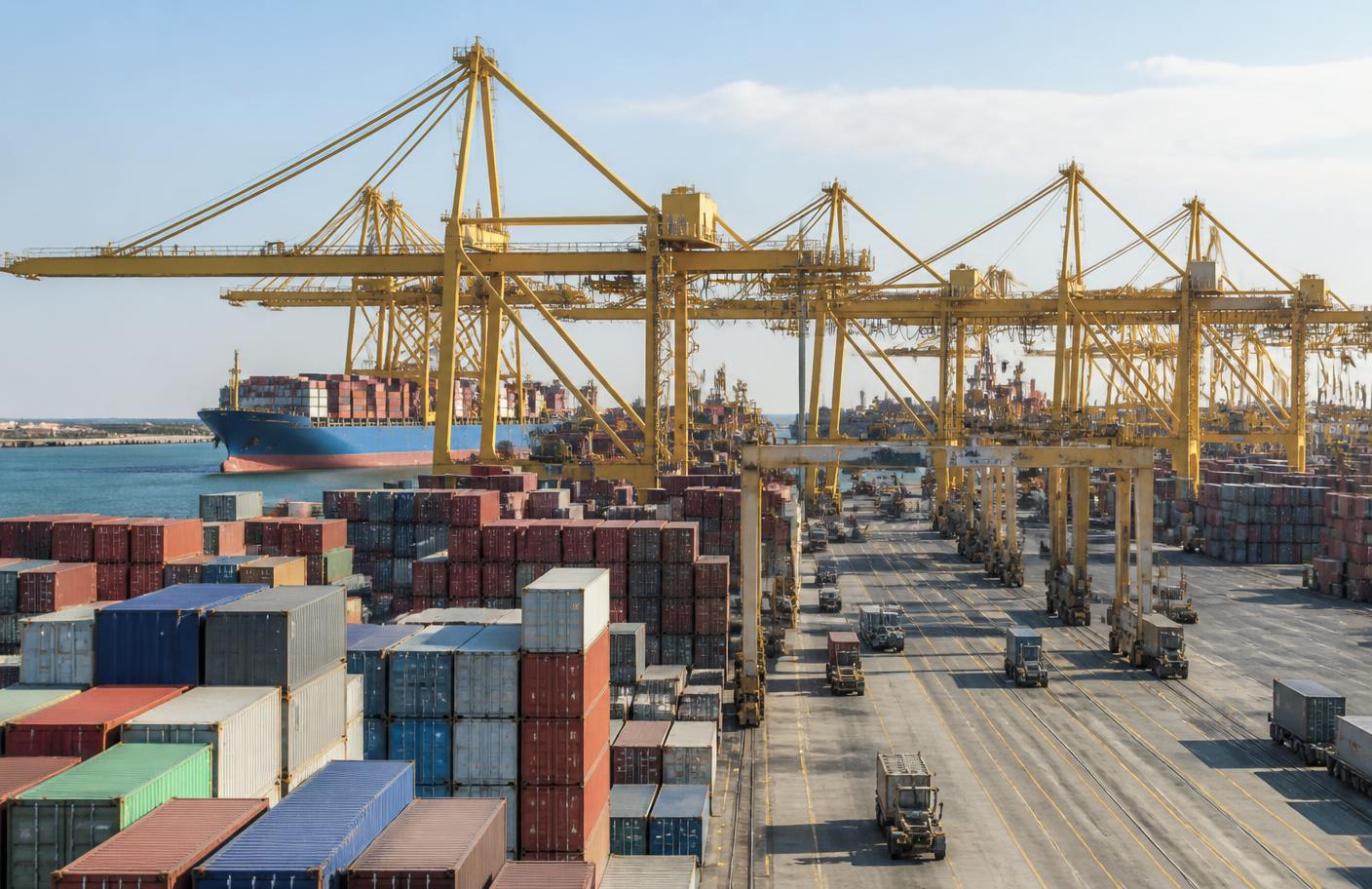
Cargo-terminal and warehouse handling carries a layer that passenger and ramp services do not: Dubai Customs' procedures for air cargo, including bonded and transit movements and free-zone cargo. A cargo handler moving freight through a bonded or transit status needs its customs declarations, warehousing status and record-keeping aligned with those procedures, not just with the airline or airport contract that brought the cargo in. Where the company also works alongside a freight forwarder or customs broker, the two functions should stay distinct in the contract: who declares the cargo to customs, who holds the bonded-warehouse licence, and who carries liability for a discrepancy are three different questions that one "cargo services" activity description does not answer.
Banking and insurance: what reviewers look at
A bank or insurer assessing a ground-handling or cargo-services applicant looks past the trade licence to the operating facts: which airport contracts or letters of intent exist, what equipment is owned versus leased, what the staffing plan covers for peak and irregular operations, and what insurance is in place for aircraft damage, cargo loss and third-party liability. These are the documents a corporate banking review asks for, because they show whether the company can meet a liability claim rather than merely hold a licence. Preparing that evidence pack before approaching a bank is the practical use of corporate bank account readiness work.
Cost here is not one figure. Incorporation is a small part of the total; the larger, more variable costs sit with the concession itself, equipment, approved premises, insurance and staffing, and those are set by the airport operator, the insurer and the equipment market, not published by a regulator as a fixed amount. The firm's own fee for the setup work is itemised in the engagement letter rather than quoted as a headline number; see how Velarozone works for how that engagement is structured.
Ownership, staffing and the roles airports require
An airport operator reviewing a concession or sub-handling application looks at who stands behind the company: ownership structure, the safety-management experience of key personnel, and whether security vetting is complete for staff who will hold airside passes. Where an overseas parent retains the handling expertise, equipment or airline relationships, the UAE company needs a documented intercompany arrangement covering scope, pricing, liability and exit terms, an informal group understanding does not satisfy an airport operator's or a bank's diligence. Split ownership and liability are better evidenced through documented business plans than inferred from the licence, and where the ownership chain is layered, the considerations for regulated and complex ownership setups apply.
Where ground-handling setups go wrong
- Securing a trade licence before confirming the airport will grant access for the intended service category
- Buying or committing to ground-support equipment ahead of a confirmed concession or sub-handling slot
- Understaffing for peak rotations and irregular operations, which is where aircraft-damage and delay claims concentrate
- Treating cargo-terminal handling as ordinary warehousing instead of aligning it with Dubai Customs' bonded and transit procedures
- Leaving liability for aircraft damage, delay or cargo loss undefined between the principal handler and a sub-handler
Most of these share a root cause: the activity was registered before the service category and the airport relationship were settled.