
Operational services
A business plan that answers the bank, the regulator and the authority, not a pitch deck.
The short answer
A UAE business plan written for a bank, a regulator or a licensing authority has to match the licence application, the expected account flows and the people behind the company. A pitch deck rarely survives reuse for that purpose without rework. Velarozone writes the plan, the financial model and the corporate profile together so they agree, and coordinates attestation of documents issued outside the UAE, which the Ministry of Foreign Affairs handles through selected UAE Missions abroad.
A business plan written to raise money and a business plan written to satisfy a UAE authority are solving different problems, even when they describe the same business. An investor reads ambition: market size, growth assumptions, the case for scale. A bank reads risk: whether the activity, the flows and the people match what was said at onboarding. A regulator reads governance: whether the controls follow from the business the plan describes. The same number, projected first-year revenue for example, gets read three different ways, and a plan written only for the first reader fails the other two.
The documents around the plan carry a separate problem. A parent company's certificate of incorporation, a power of attorney or a foreign director's personal document usually has to be attested before a UAE authority accepts it, normally after notarisation and foreign-ministry authentication in the country of origin. The UAE Ministry of Foreign Affairs describes attestation as certifying the authenticity of signatures and seals. For documents issued outside the UAE, it says the service runs through selected UAE Missions abroad, and a mission may take applications online or only in person. The receiving UAE authority, not Velarozone, decides what it will accept.
At a glance
- Indicative cost
- Itemised inside your engagement: the plan, model and profile are one scope, and attestation is a separate line. The Ministry of Foreign Affairs sets fees for its online attestation service by number of documents, completion option and personal or commercial type, and shows the total before you pay.
- What's included
- Business plan written for the actual reader
- Financial model matched to the plan's own assumptions
- Attestation and legalisation coordination
This is for you if
- You are applying for a licence, a bank account or a regulatory approval, and the same activity, ownership and revenue story has to appear in every file.
- A corporate shareholder or a foreign director holds documents issued abroad, such as a certificate of incorporation or a power of attorney, that a UAE authority will ask to see attested.
- Your plan is a pitch deck or an informal outline that never had to state currencies, counterparties or headcount, which a bank or regulator will ask about.
- Your financial model rests on assumptions, such as customer count, pricing and months to first revenue, that you cannot yet match to what the bank account will show.
This may not be the right route if
- You want projections presented as a guarantee of revenue, funding or approval. A projection is an assumption, and we do not present it as more.
- You need legal drafting of contracts or a statutory audit; those are separate, licensed engagements.
- You have no licence application, bank meeting or investor date yet, so the plan would have no named reader and would age before anyone used it.
At a glance
- Indicative cost
- Itemised inside your engagement: the plan, model and profile are one scope, and attestation is a separate line. The Ministry of Foreign Affairs sets fees for its online attestation service by number of documents, completion option and personal or commercial type, and shows the total before you pay.
- What's included
- Business plan written for the actual reader
- Financial model matched to the plan's own assumptions
- Attestation and legalisation coordination
What this service includes
- A business plan that states the licensed activity, customer base, currencies and counterparties in the terms the named bank, regulator or authority will test.
- A financial model whose assumptions match the plan's own narrative and the bank's expected flows.
- A corporate profile covering the entity, its ownership chain and its directors, worded the same way as the licence application and the bank file.
- Coordination of attestation and legalisation for documents issued outside the UAE, through the chain the receiving UAE authority specifies for that document's country of origin.
- A consistency check across the business plan, the licence application and the bank file before any of them is submitted.
What it does not include
- Acting as the notary, the foreign ministry or the UAE diplomatic mission in the legalisation chain. Each of those steps is carried out by the office that holds that authority, not by Velarozone.
- Any projection presented as a guarantee of revenue, funding or approval.
- Legal drafting of contracts, which comes from a licensed law firm, and statutory audit, which comes from a Ministry of Economy registered auditor.
Process
How the work is sequenced
Each stage has its own dependencies (activity approvals, document legalisation, authority processing, and bank review), and we report progress against them rather than against one overall date.
- 01
Diagnose
We read the activity, the licence route and the bank or regulator in front of you, and map what the plan has to reconcile.
- 02
Draft and reconcile
The financial model, the business plan and the corporate profile are written together, so they agree with each other.
- 03
Legalise and submit
Foreign-issued documents are routed through the chain their country's authority and the UAE specify; the pack goes to the application, the bank file or the regulatory submission.
Prefer to start in writing? Send the details through the contact form.
Start with a structure assessment
In an initial consultation you receive a plain-language decision summary, a document-preparation list, and the next actions for your situation. Current figures are confirmed within your adviser-reviewed route comparison.
In detail
Why a bank's plan is not a pitch deck
A pitch deck sells a story to someone deciding whether to invest: the market is large, growth compounds, the team can execute. A bank or a regulator is deciding something else: whether the business, as described, is the business it will actually see in the account or under the licence. The same ambitious revenue curve that reads as conviction to an investor reads as an unexpected volume to a compliance officer. A mismatch between what was projected at onboarding and what the account later shows is itself a flag, whether the business is doing well or badly.
A smaller number does not remove the mismatch. A plan that states its assumptions plainly does: the activity, the customer base, the expected currencies and counterparties. Whatever the business later does, it was already consistent with what was said.
What a good UAE business plan has to reconcile
Six things have to agree with each other inside one plan: the licensed activity, as named on the application; the corporate and ownership structure; the expected banking flows, in currency and counterparty terms; the operating model, including any contracts already in place; the headcount the plan implies; and the premises that headcount and that activity actually need. A plan that proposes fifteen staff on a licence sized for three, or revenue flows that do not match the activity named on the application, creates its own question before anyone else asks one.
This is why the plan is written alongside the licence application and the bank-readiness file rather than beforehand in isolation: each one constrains the others, and reconciling them once is cheaper than discovering the mismatch at the bank's desk.
What the financial model actually has to do
A financial model attached to a plan that nobody checked against the narrative is common, and it is usually the first thing a careful reader finds wrong. The model has to use the same assumptions as the prose (the same customer count, the same pricing, the same timeline to revenue) and it has to produce the same transaction pattern the bank file describes. Where the business raises external capital, the model also has to show how that capital is used, because an investor, a bank and a regulator each read the use-of-funds line differently.
- Revenue assumptions that match the activity on the licence, not a market-sizing exercise borrowed from elsewhere.
- A use-of-funds breakdown consistent with what the bank was told to expect.
- Headcount and premises costs that match the staffing plan, not a round number.
Attestation of Documents Issued Outside the UAE
A document issued outside the UAE, such as a certificate of incorporation, a power of attorney or a foreign director's personal document, usually travels a chain before a UAE authority accepts it: notarisation in the issuing country, authentication by that country's foreign ministry, then attestation by the UAE Mission there. The UAE Ministry of Foreign Affairs says this service is available through selected UAE Missions abroad, so the first check is whether your country's mission takes applications online or only in person. Where no UAE Mission exists in the country, the Ministry directs applicants to its Contact Centre. The receiving UAE authority decides what it will accept. We do not set the requirement, and we do not perform the notarisation, the foreign-ministry authentication or the mission's own step.
What we do is work out which chain applies to which document, sequence the steps so nothing arrives at the wrong stage, and track the pack until every document is in the form the receiving authority specified. We also check each document's details against the application first, because the Ministry rejects applications that do not match the document and does not allow a submitted application to be amended.
How the pack feeds the licence, the bank file and any regulatory application
The business plan, the financial model and the corporate profile are one file, not three deliverables filed separately. Up to four readers each check a different part of it. The licence application reads the activity and the structure. The bank reads the flows and the source-of-funds narrative that sits beside it. A regulator, where one applies, reads the governance and the controls that follow from the business model the plan describes. We write and check the pack as one piece so that no reader finds one part disagreeing with another.
Who reads it, and for what
What a UAE business plan has to reconcile, and who checks which part
Each reader tests a different consistency. The licensing authority tests the activity, the bank tests the flows and a regulator tests the controls. Velarozone checks all three before anything is submitted.
Who reads a UAE business plan, what they check, and what has to reconcile.
The licensing authority
- What they are checking
- Whether the plan matches the activity named on the licence application
- What has to agree with it
- The activity description, scope of work and the licence's permitted activities
The bank
- What they are checking
- Whether the plan's flows resemble what the account will actually see
- What has to agree with it
- Projected revenue, currencies, counterparties and the bank's expected transaction pattern
A regulator, where one applies
- What they are checking
- Whether governance and the AML or risk programme follow from the business the plan describes
- What has to agree with it
- The stated business model and the frameworks built to run it
The authority reviewing visa allocation
- What they are checking
- Whether headcount and premises support the allocation requested
- What has to agree with it
- The staffing plan, office size and the activity's own space requirements
An investor or a lender
- What they are checking
- Commercial credibility, growth assumptions, the team and the size of the market
- What has to agree with it
- Ambition and assumptions that a bank or regulator will read as risk instead
Velarozone, before any of them
- What they are checking
- Whether the plan, the licence application and the bank file already agree with each other
- What has to agree with it
- Every number and claim repeated across the three documents
| Who reads it | What they are checking | What has to agree with it |
|---|---|---|
| The licensing authority | Whether the plan matches the activity named on the licence application | The activity description, scope of work and the licence's permitted activities |
| The bank | Whether the plan's flows resemble what the account will actually see | Projected revenue, currencies, counterparties and the bank's expected transaction pattern |
| A regulator, where one applies | Whether governance and the AML or risk programme follow from the business the plan describes | The stated business model and the frameworks built to run it |
| The authority reviewing visa allocation | Whether headcount and premises support the allocation requested | The staffing plan, office size and the activity's own space requirements |
| An investor or a lender | Commercial credibility, growth assumptions, the team and the size of the market | Ambition and assumptions that a bank or regulator will read as risk instead |
| Velarozone, before any of them | Whether the plan, the licence application and the bank file already agree with each other | Every number and claim repeated across the three documents |
Possible directions
Structure categories an adviser will assess
These are topics for assessment, not recommendations. The right answer depends on your activity, customers, ownership, team, workspace needs, and regulator or bank requirements.
Business plan narrative
Names the activity, customers, currencies and counterparties in the terms the reading institution tests, so its likely questions are already answered.
Financial model
Customer count, pricing, months to first revenue, headcount and premises cost taken from the narrative, so the model and the text give the same numbers.
Corporate profile
The company, its ownership and its people, described consistently with the licence and the bank file.
Attestation and legalisation coordination
Sorting each foreign-issued document into the route its receiving UAE authority specifies for its country of origin, including the UAE Mission step abroad, and tracking it to completion.
Licence-application alignment
Checking the plan against the activity, structure and ownership named on the application.
Bank-file alignment
Checking the plan's flows against the narrative already built for the bank.
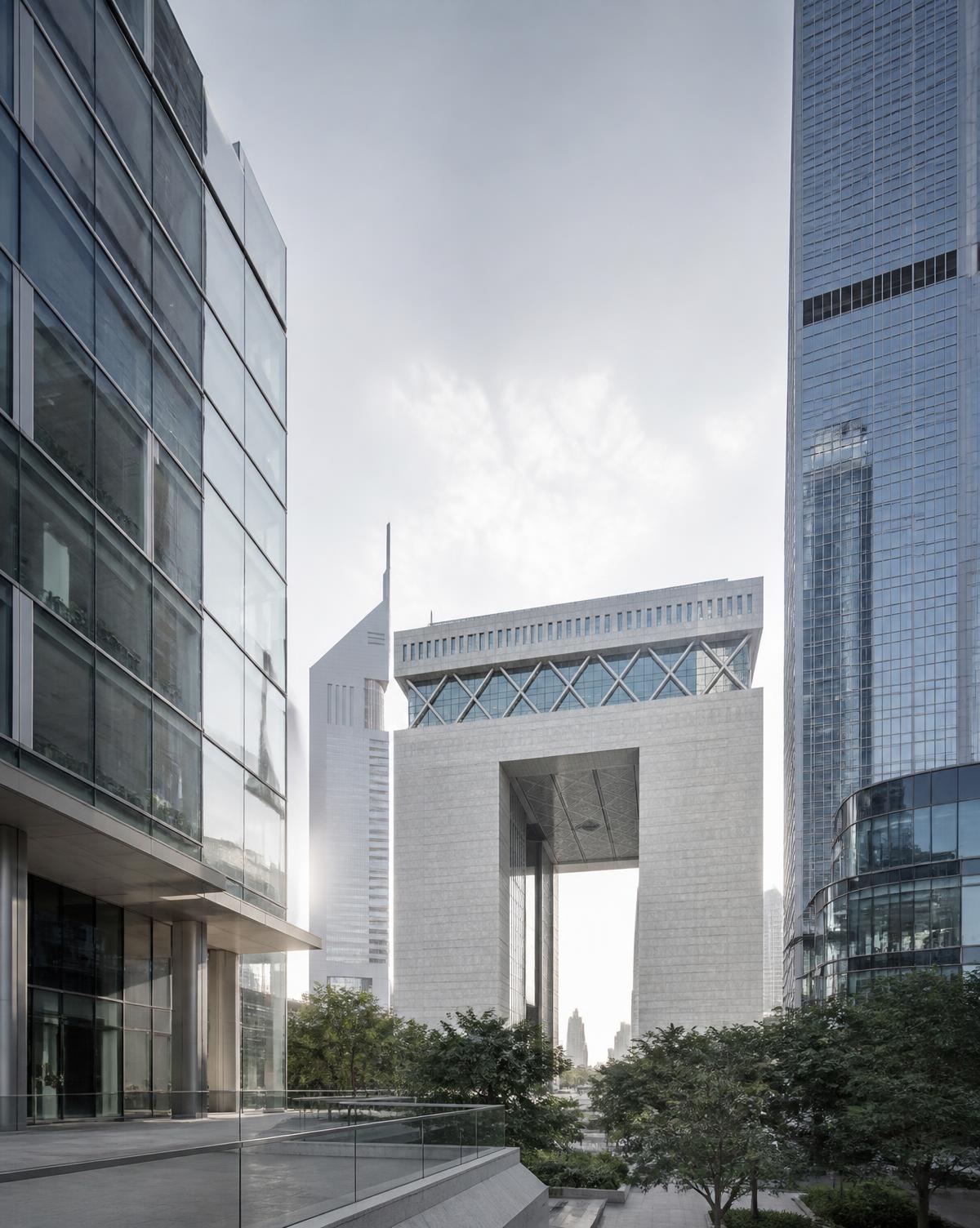
Every route is planned against how the business will actually operate in the UAE.
Questions
Frequently asked
- What's the difference between a business plan for a bank and a pitch deck?
- A pitch deck sells ambition to someone deciding whether to invest. A plan for a bank or a regulator has to match what the licence, the ownership structure and the expected account activity already say, because a mismatch between the plan and what the business actually does is read as risk, not as growth.
- Do I need a financial model if I'm not raising investment?
- Usually yes. A bank or regulator reads the model to test that the projected flows match the licensed activity and the structure, with or without outside capital. It is also where customer count, pricing and months to first revenue get checked against the narrative.
- What does attestation and legalisation actually involve?
- In general terms: notarisation in the document's country of origin, authentication by that country's foreign ministry, and attestation by the UAE Mission there, followed by whatever further step the receiving UAE authority specifies. The Ministry of Foreign Affairs says the service for documents issued abroad runs through selected UAE Missions. We coordinate the chain rather than perform each step ourselves.
- Can the same business plan be used for the licence application, the bank and a regulator?
- The same underlying plan, written to reconcile across all three, usually can. Each reader may still want its own emphasis or an extra schedule, but the core activity, structure and flows should not contradict themselves between documents.
- What happens if the business doesn't match the plan later?
- Projections are assumptions, tested as the business actually operates, not guarantees. A material and sustained divergence from what a bank or regulator was told to expect is worth raising with them directly rather than waiting for them to notice first.
Sources
- UAE Ministry of Foreign Affairs: attestation of official documents and certificates
- UAE Ministry of Economy & Tourism: establishing companies
- Each licensing authority's own application requirements
Regulations, fees, and eligibility can change. Every regulatory statement is re-checked before publication and dated above.
Legal notes and scope
Velarozone provides setup and operational-readiness coordination. This page is general information, not legal, tax, immigration, or banking advice.
General information drawn from the CBUAE Rulebook, including the Retail Payment Services and Card Schemes Regulation (C 15/2021), and Cabinet Resolution No. (134) of 2025 as published, not legal or tax advice. Rules and guidance change, so confirm the current text and each institution's own requirements before you submit.
Please do not upload passports, bank statements, or other sensitive documents through this website. After an adviser has qualified your enquiry, we will share an approved secure process.
Financial projections are planning assumptions, not forecasts of actual performance or a guarantee of funding, licensing or account approval. Attestation and legalisation requirements are set by the receiving UAE authority and the authorities of the document's country of origin, not by Velarozone, and can change.